Observe before adjusting
We note what is already working—quick breakfasts, reliable snacks, the meal that always satisfies—before suggesting any change.
Informational studio · Manchester
We work with the grain of your calendar: commutes, caring responsibilities, shift patterns, and the moments when willpower is lowest. Our role is to offer structured education and reflective coaching about everyday eating—not to replace clinicians, prescribe treatment, or comment on medications.
You bring observations from real meals; we bring frameworks, examples, and gentle experiments you can pause or adjust. Sessions focus on clearer decisions and less second-guessing where that fits your situation—without turning food into a performance. Individual experiences vary; we do not promise a particular result.

Educational use only (UK): The materials and sessions on this website describe general lifestyle and nutrition literacy. They are not medical advice and are not intended to diagnose, treat, cure, or prevent any disease or medical condition. This site is not an NHS or emergency service. For any health concern, medication change, or symptom, contact a qualified clinician registered in the United Kingdom (for example your GP or NHS 111 for urgent non-life-threatening advice; dial 999 in an emergency).
Foundations
Three commitments show up in every page, workshop, and note we send: respect for your context, clarity about boundaries, and language that stays descriptive instead of judgemental.
We note what is already working—quick breakfasts, reliable snacks, the meal that always satisfies—before suggesting any change.
When a topic belongs in a clinic, we say so openly. That clarity protects you and keeps our work proportionate.
One tweak at a time builds evidence you can trust. Large overhauls are rare and never mandatory.
What we offer
Some people want a single clarifying conversation; others want a written plan they can edit on Sunday night; others prefer short readings and worksheets. We describe each format honestly so you can choose without pressure.
Focused conversations that map your context: schedules, preferences, and the friction points that decide what lands on the plate. Useful when you want language for what you are noticing.
Written outlines for meals and snacks that respect your boundaries. We stay within educational scope and signpost clinical support when a question is outside our remit.
Guides and worksheets on labels, portions, shopping rhythm, and habit design—designed for people who like to learn by reading and doing.
Short arcs with weekly prompts. The design favours steady practice over streaks, and you can pause without losing access to materials you already received.

Orientation
We start from what already works in your week. From there, we look at swaps, timing, and shopping rhythms that reduce decision fatigue. You describe what you notice; we offer frameworks and examples you can accept, adapt, or set aside.
If something sounds like a medical question, we pause and recommend an appropriate professional. That boundary keeps the work honest and sustainable over months, not just the first enthusiastic fortnight.
Request a conversationKitchen reality
A beautiful plan that ignores Wednesday’s meeting overrun is not a plan; it is a wish. We spend time on containers, defrost timing, and the “good enough” meal so ideas actually recur.
None of this replaces individual advice from a registered dietitian or physician when you need clinical nuance.
Read the Choose page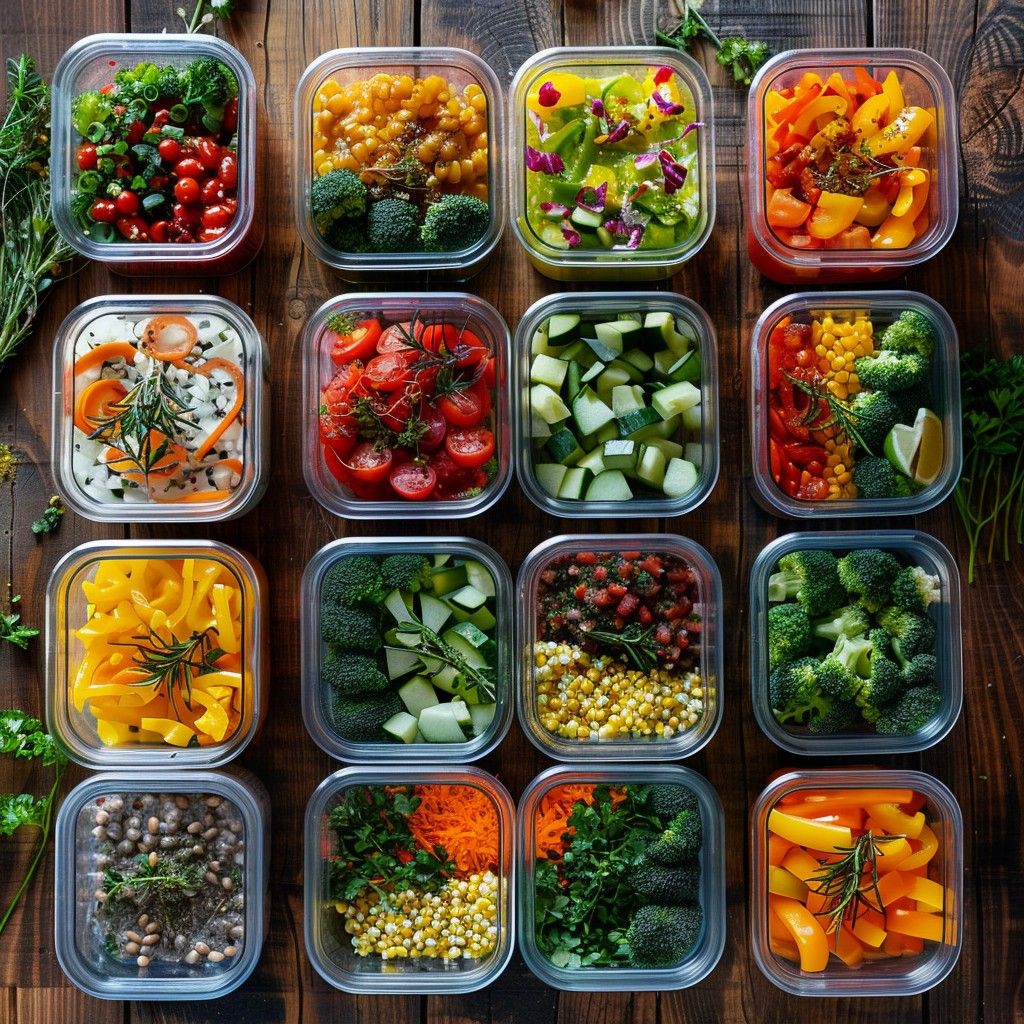
At a glance
Figures here describe how we organise work, not clinical outcomes. They help you picture what “working with us” tends to look like.
Mapping meals and gaps so afternoons feel less scattered. We discuss hydration, fibre, and protein as general concepts—not prescriptions tied to your medical history.
Batch ideas, storage habits, and the sequence of cooking steps that make weeknights calmer without requiring a perfect weekend cook-up.
Strategies for dining out and shared tables without turning food into a source of tension or commentary.
Process
You share context and goals in plain language. We confirm whether informational support is the right fit and outline what we cannot advise on.
We agree on a simple structure: priorities, timelines, and how you prefer to receive notes or materials—email, documents, or a hybrid.
Adjustments follow what you observe at home. Small experiments replace sweeping overhauls, and we document what you want to repeat.
Periodic check-ins ask what felt supportive and what could be simpler. You can end or pause at natural breakpoints without penalty where our policies allow.
The quotes below are anonymised or paraphrased. They illustrate how some participants described their experience; they are not typical results and not evidence of outcomes you should expect.
“The shift was quieter than I expected. I stopped arguing with myself at breakfast and started noticing what actually held me until lunch.”
“I kept waiting for a rigid meal plan. Instead I got vocabulary and a few anchors. That turned out to be what I could sustain.”
FAQ
No. We provide general education and coaching within a non-clinical scope. For conditions, medications, or therapeutic diets, a regulated clinician is the right contact.
Not unless you want to. Many clients prefer descriptive notes or simple patterns over detailed logs. We co-design the lightest tool that still answers your question.
Our coordination team reads your message and replies with clear next steps, scope boundaries, and pricing where applicable. We do not use your story for marketing without separate consent.
Use the contact form to outline what you are hoping to change. We reply with plain language, transparent boundaries, and no obligation to book.
Adjust optional categories. Strictly necessary storage is always active so the site functions and remembers your cookie choice.