Morning anchor
One dependable element—fruit, yoghurt, eggs, or toast—creates a starting point you can repeat without measuring. Variety can sit on top later in the day if mornings are rushed.
Balance
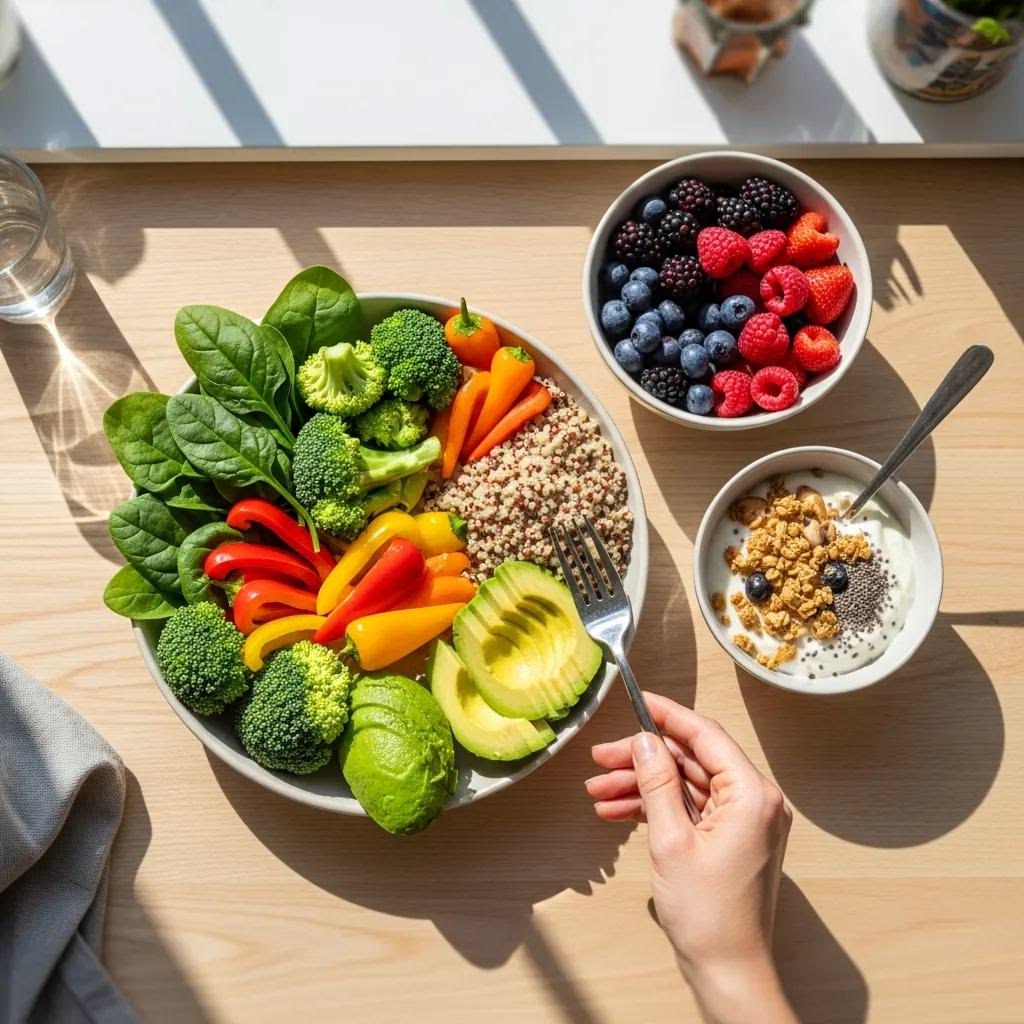
Balance, in our materials, means enough variety and enough reliability that ordinary days feel navigable. We discuss patterns, not perfection, and we stay within a non-clinical educational remit—describing ideas, not prescribing treatment.
Individual nutrition therapy belongs with registered specialists; we gladly outline when that referral makes sense. Zooming out to the week often softens the noise of any single plate.
Decorative seven-day rhythm illustration
Educational use only: Content here is general and not medical advice. It does not assess your health status or recommend supplements, medications, or therapeutic diets. Speak with a qualified UK-registered clinician for individual guidance. Not an NHS or emergency service.
Rhythm
Anchors are repeatable elements you can rely on when decision bandwidth is low. They are intentionally modest: a familiar breakfast base, a lunch template, or a dinner protein you know how to cook without a recipe.
One dependable element—fruit, yoghurt, eggs, or toast—creates a starting point you can repeat without measuring. Variety can sit on top later in the day if mornings are rushed.
Lunches absorb work chaos. We sketch portable combinations rather than fragile recipes, and we normalise improvised plates when meetings overrun.
Evening plates often carry emotion. We talk about lighter prep, shared dishes, and stopping when fullness feels comfortable for you—not when a screen says so.
Zoomed out
A single day might include a celebratory meal, a skipped lunch, or a new medication schedule. The week reveals whether variety appeared somewhere, whether vegetables showed up more than once, and whether protein was present often enough for your own goals—still in general, non-clinical terms.
Rough blocks for breakfast, lunch, dinner, and one or two intentional snacks—not times, just shape.
Quick scans: did deep greens or legumes appear a few times? Was there a protein you actually like on most days?
Late shifts, travel, or illness. Outliers are information, not failures; they explain variance without moral language.
Variety
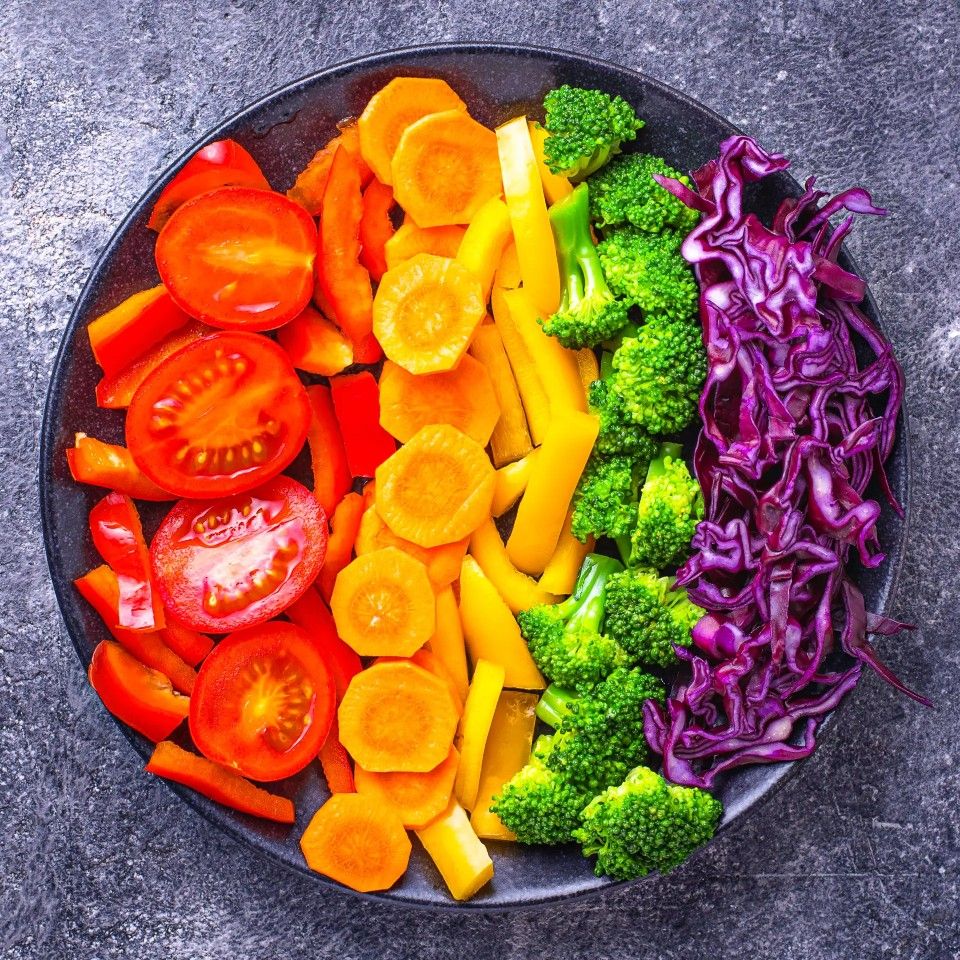
Thinking in colour bands—deep greens, red and orange roots, purples, legumes—can nudge variety without turning meals into spreadsheets. We use this device in workshops because it photographs well on real counters, not because it replaces nutrient analysis or clinical assessment.
If you need precise targets for a condition, a dietitian who knows your file is the appropriate professional.
Return to ChooseHabits
Water and other fluids support focus and digestion in ordinary life. We discuss practical cues, not rigid litre counts, unless a clinician sets a medical fluid plan.
What you see first tends to get eaten. Small layout experiments can change behaviour without new rules.
Ten minutes to reheat, chop, or plate prevents the cascade into ultra-process convenience when the day compresses.
Quotes are anonymised and for illustration only; they are not typical or guaranteed outcomes.
“I stopped chasing symmetry on every plate. The week looked healthier when I zoomed out.”
“Balance stopped meaning ‘identical calories’ and started meaning ‘I had a vegetable most days and protein when I could.’”
If you want help mapping a sustainable week, use the contact form. We reply with plain-language options, clear scope boundaries, and pricing where relevant—without pressure to commit on the first email.
Contact the studioAdjust optional categories. Strictly necessary storage is always active so the site functions and remembers your cookie choice.